Before the Clock Starts: A 2026 Breach Notification Decision Playbook
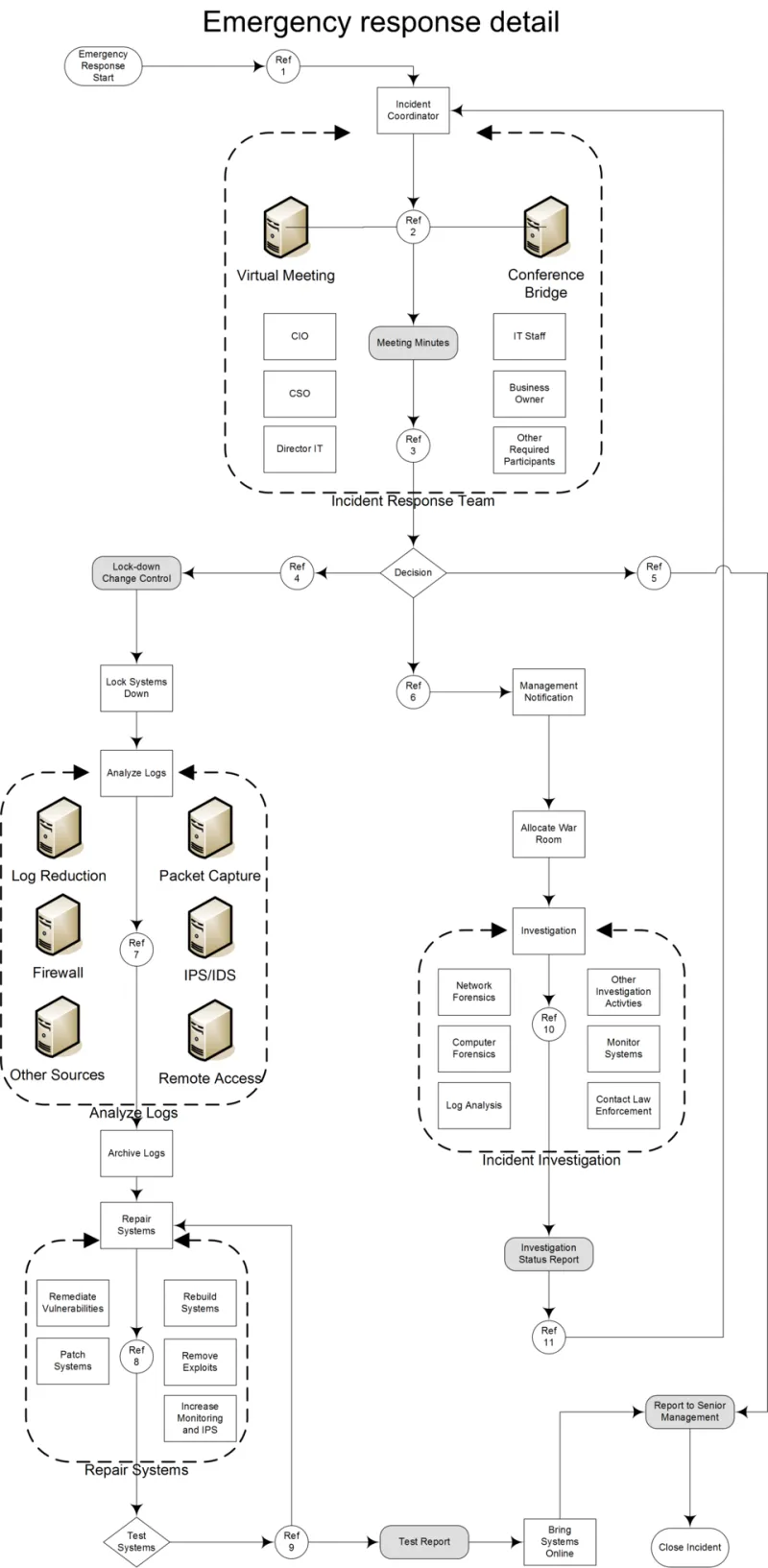
Photo: Michael Berman (Tanjstaffl), CC BY 2.5, via Wikimedia Commons
Breach notification is usually described as a legal deadline. In practice, it is a decision sequence that begins before the security team has a complete timeline. A US organization may face state attorney general requirements, sector regulators, contractual notice clauses, and securities disclosure judgments, each with a different trigger and a different audience. Waiting for perfect facts is not neutral; it can consume the time needed to make a defensible call.
The playbook below is not legal advice. It is an operational sequence for security leaders who must prepare the evidence, the handoffs, and the decision record before an incident forces the question.
The Trigger Map Is Not One Clock
Start with a matrix, not a folder of statutes. Rows should represent data types and populations: consumer personal information, health data, financial data, employee data, student data, and regulated sector data. Columns should represent obligations: state breach laws, sector regulators, contractual notice, insurer notice, and securities disclosure. For each cell, record the trigger, the deadline, the recipient, the required content, and the owner.
State laws vary in timing and in what counts as a breach. Some require notice without unreasonable delay; others set specific day counts. Sector regulators add their own expectations. Contracts can be stricter than law, with 24-hour or 72-hour clauses that apply to vendors and customers. For public companies, the materiality judgment under securities rules is a separate track with its own disclosure controls. The matrix should be reviewed by counsel and updated at least annually, because the obligations change and so does the business.
Pre-Build the Evidence Package
Notification decisions depend on evidence, and evidence is easiest to package before an incident. Define a standard incident record: timeline, affected systems, data categories, population estimates, containment actions, forensic notes, and open questions. Assign an evidence owner who is not the incident commander. Preserve logs and images according to a legal hold process, and document chain of custody when evidence may be used in a regulatory or legal proceeding.
The package should distinguish facts from assumptions. A notification draft that overstates impact creates a correction problem; one that understates it creates a credibility problem. Use a confidence scale and record who validated each fact. When counsel is engaged, route the package through privilege where appropriate, but do not let privilege become an excuse for losing the operational timeline.
Decide Materiality With Counsel, Not in the War Room Alone
For public companies, the materiality question is not a technical severity score. It is a judgment about the significance of the incident to investors, made with counsel and disclosure controls. The security team's job is to provide timely, accurate facts: what was accessed, what operations were affected, what remediation costs are likely, and what uncertainty remains. The decision record should show when the company knew, what it knew, and why it reached its conclusion.
This is where many programs drift. The incident team waits for forensics; legal waits for the incident team; communications waits for legal. A pre-agreed decision forum with a named chair, a standing agenda, and a documented escalation path prevents the most common failure: a contained event that becomes a disclosure crisis because no one owned the clock.
The Handoff Sequence
In the first hours, activate the response plan, preserve evidence, and open the notification matrix. Within the first day, convene the decision forum with security, legal, privacy, communications, and business owners. Assign a single notification coordinator. Identify which obligations are triggered by known facts and which are contingent. Prepare a holding statement only if it is accurate and approved; silence is often better than a premature claim.
Before any external notice, reconcile the facts across audiences. Regulators, customers, and the public will compare statements. A vendor notice that says 'no customer data' while the company notice says 'limited data' is a gap that invites scrutiny. Draft notices from the same fact base, with legal review for each jurisdiction. Track every send, every recipient, and every follow-up request.
Common Gaps That Create Crises
The first gap is an outdated contact list. Regulator portals, counsel, insurers, and key customers change; the incident is not the time to find out. The second is unclear ownership between security, legal, and privacy. The third is a contract repository that cannot be searched for notice clauses. The fourth is evidence retention that is shorter than the investigation. The fifth is a communications plan that treats notification as a press release rather than a legal and operational process.
Rehearse the sequence, not just the technical response. A tabletop that ends at containment misses the disclosure decision. Run a second exercise that starts with a fact pattern and asks: what do we know, what must we say, to whom, and by when? The clock may start before you know it. The organization that has already mapped the triggers, packaged the evidence, and named the decision-makers is the one that can act on time.