SEC2009 Advancing Cybersecurity Through Research & Community

SEC2009

Advancing Cybersecurity Through Research & Community

Latest Articles

Verifying What You Ship: Cryptographic Attestation and the Fight to Secure the Software Supply Chain
Historical Analysis

Verifying What You Ship: Cryptographic Attestation and the Fight to Secure the Software Supply Chain

High-profile supply chain compromises have exposed a fundamental weakness in how organizations consume and deploy third-party software: trust that is implicit rather than verified. This article traces the evolution of cryptographic supply chain defenses, examines the technical standards now reshaping software provenance practices, and assesses what genuine implementation looks like in a production environment.

Structured Trust in an Untrusted World: Implementing Zero Trust Without Paralyzing Your Organization
Technical Guides

Structured Trust in an Untrusted World: Implementing Zero Trust Without Paralyzing Your Organization

Zero trust architecture promises stronger security posture, but poorly executed rollouts frequently produce friction that undermines both productivity and user adoption. This guide examines how security teams can phase zero trust deployments thoughtfully, drawing on real-world implementation patterns to strike a durable balance between rigorous access control and operational continuity.

Technical Guides

Building an OSINT Capability: A Structured Approach for Threat Hunters and Security Researchers

Open-source intelligence has matured from an informal investigative technique into a structured discipline that complements — and often outpaces — traditional threat detection methods. This guide walks security practitioners through the tools, methodologies, and ethical frameworks required to build a functional OSINT program, from initial reconnaissance workflows to automated collection pipelines and responsible disclosure practices.

Perimeter Thinking Is a Liability: The Case for Abandoning Legacy Security Architecture
Historical Analysis

Perimeter Thinking Is a Liability: The Case for Abandoning Legacy Security Architecture

The security frameworks organizations built in the early 2000s were designed for a world that no longer exists. As remote work, cloud adoption, and supply chain complexity redefine enterprise environments, clinging to perimeter-based models is no longer a conservative choice — it is an organizational risk. This analysis examines how legacy assumptions are undermining modern security programs and what security leaders must do to course-correct.

Historical Analysis

Lessons Forged in Fire: How the Breach Era of 2009 Rewired Enterprise Cybersecurity Forever

The security incidents of 2009 were not isolated failures—they were a collective wake-up call that fundamentally reshaped how organizations defend their digital infrastructure. From the Heartland Payment Systems breach to the Conficker worm's peak propagation, that year produced a crucible of hard lessons still embedded in today's compliance frameworks and threat modeling methodologies. This retrospective examines what happened, why it mattered, and how those events continue to influence the dec

From Spare Parts to Security Research: A Practitioner's Guide to Building a Functional Lab Environment
Technical Guides

From Spare Parts to Security Research: A Practitioner's Guide to Building a Functional Lab Environment

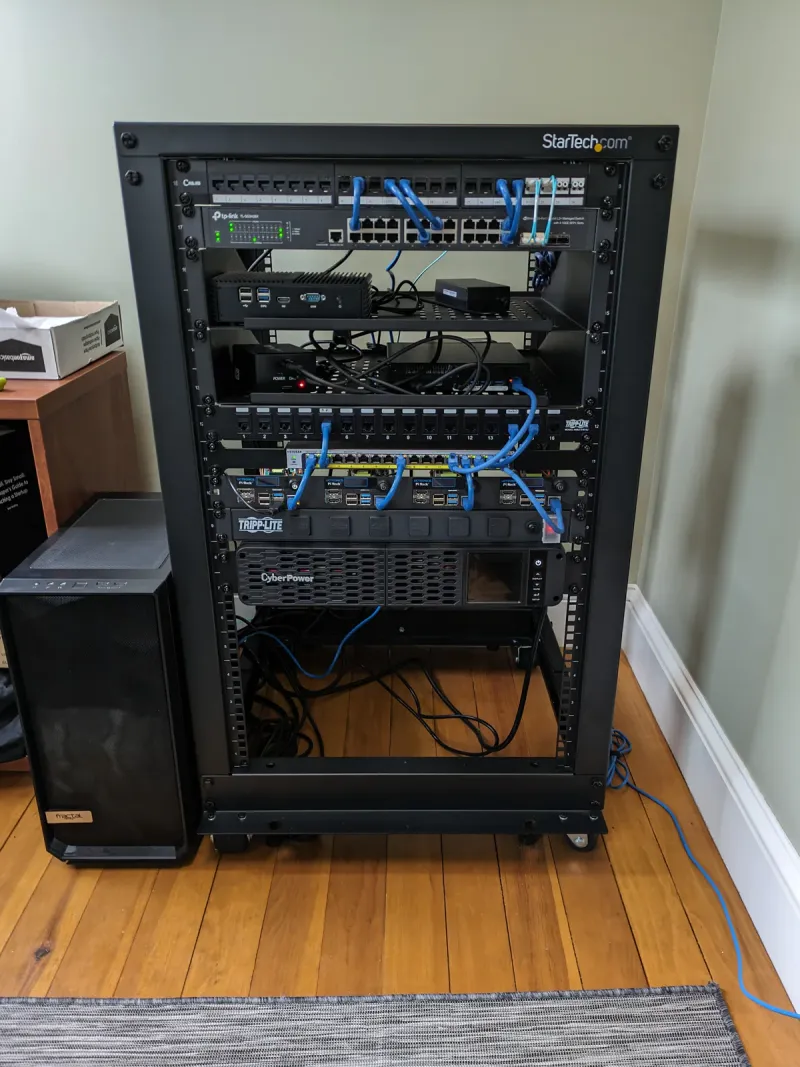
Establishing a dedicated environment for vulnerability research and malware analysis is one of the most valuable investments a cybersecurity professional can make in their own development. Whether you are working from a spare bedroom or a dedicated organizational space, a well-architected lab enables hands-on experimentation that no certification course can replicate. This guide walks through hardware selection, virtualization strategy, essential open-source tooling, and the legal boundaries eve